The Itch that Won't Quit: Allergic Reaction to Hair Dye
Table Of Content

More research is needed before a clear link between the two can be confirmed. This solution should cause quick relief in most cases, but it doesn’t work for everyone. So I quickly decided to research why this happened, causes, and treatments. Before we get to that, however, let me share a short dye allergy story with you.
FAQs On Allergic Reaction To Hair Dye

• Even if you have not had a previous reaction to a hair dye, caution is still advised. Always carefully follow the instructions provided by the manufacturer, particularly looking for any warnings that are given, including the direction to perform an “Allergy Alert Test” (see below). If your hair has lost its joie de vivre, it might be because of product buildup making your hair color look dull and trashy.
Allergy to hair dye
If an allergic reaction ensues as a result of hair coloring, it’s common for a series of dermatitis-like reactions to appear on the skin. “It classically appears on the hands, head, and neck where the chemical is in contact with the skin,” Dr. Boakye says. Sure, plenty of women and men safely color their hair with no side effects.
TikToker Explains The Hair Dye Allergy She Discovered By Accident - Women's Health
TikToker Explains The Hair Dye Allergy She Discovered By Accident.
Posted: Thu, 12 Aug 2021 07:00:00 GMT [source]
Colon Cancer Risk?
Look for plant-based products or colorants using only natural ingredients and essential oils. Many hair dyes are made with a combination of chemicals in order to create the desired color and longevity, and it is difficult to create a hair dye that is both permanent and safe. Only the Madison Reed Radiant Hair Color Kit comes close, but the caveat is, it contains hydrogen peroxide in its color activator. Hypoallergenic hair dyes can come in permanent and in semi-permanent hair colors. It’s probably safe to say you already have some ingredients at home that you can use to make a natural hair dye, like carrots and beets, for example. All you need is some of your time and an efficient DIY hair color recipe.
There are several colors that are achievable without PPD, but not all dyes of a PPD-free color doesn’t contain any PPD. Look for a PPD-free tag on the hair product you’re buying and mention your allergy to your stylist before using a PPD-free hair dye color. Studies have demonstrated that olive oil reduces the risk of dermatitis. Likewise, steroid creams can be used to reduce inflammation, swelling, and irritation if the case is less severe. Again, the symptoms of a hair allergy differ from person to person, and your friend’s symptoms may be wildly different from yours.
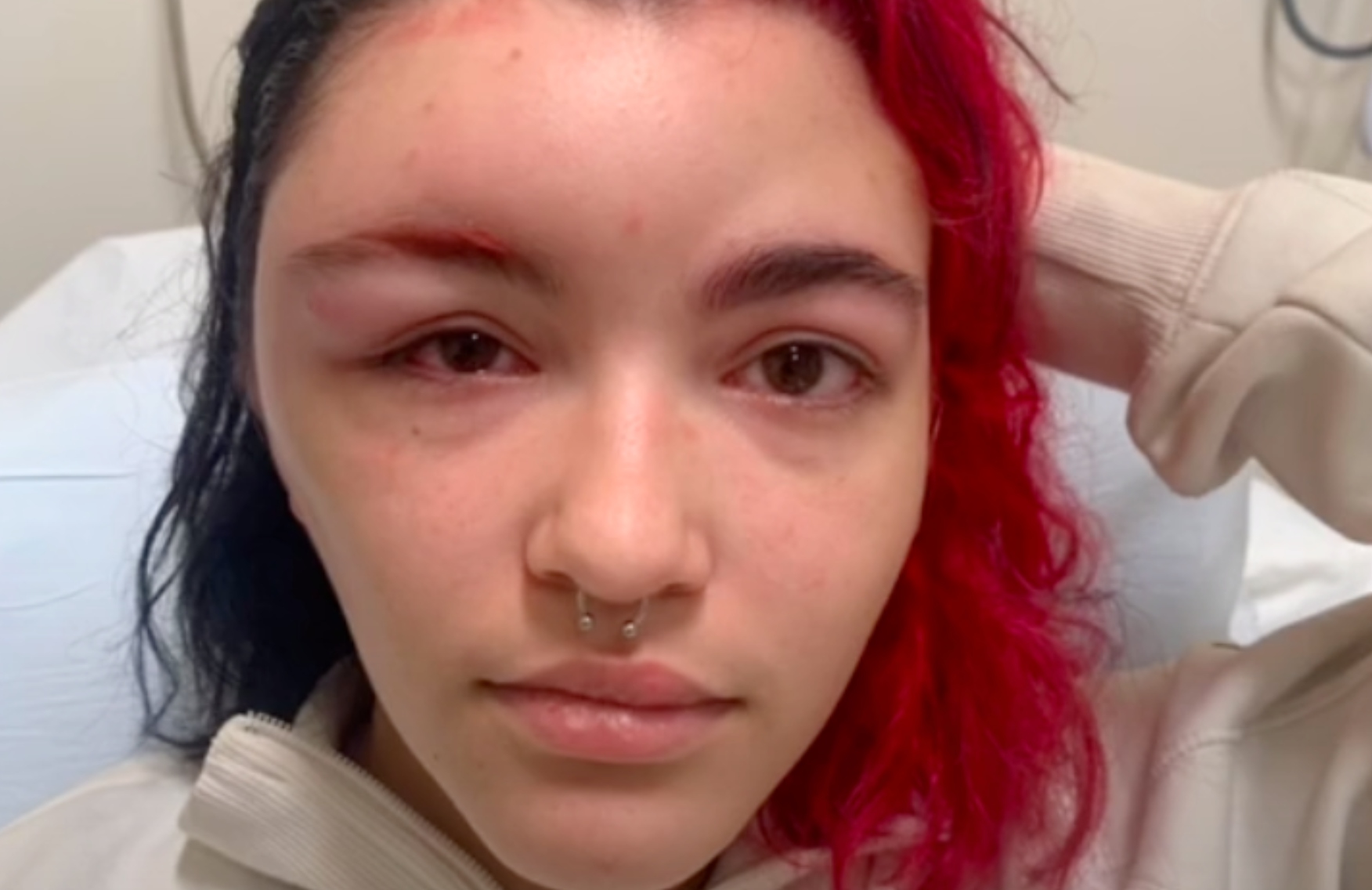
Hair coloring products contain many ingredients that may irritate your scalp and cause allergic reactions. Symptoms range from mild to severe, and can take up to 48 hours to manifest. The widespread use of hair dye in modern culture has made hair care products a significant source of chemical exposure. Certain ingredients in the dye can act as a potential allergen for sensitive skin. A 6% dose of PPD is permitted in hair dye and is also found in temporary tattoos (3). Paraphenylenediamine (PPD) and related chemicals are found in virtually all permanent and semi-permanent hair dyes.
Using certain home remedies can help in reducing the severity of the symptoms. The American Chemical Society (ACS) is a nonprofit organization chartered by the U.S. ACS’ mission is to advance the broader chemistry enterprise and its practitioners for the benefit of Earth and all its people. ACS journals are among the most cited, most trusted and most read within the scientific literature; however, ACS itself does not conduct chemical research.
Woman's allergic reaction to hair dye causes severe swelling in face, head - FOX 5 Atlanta
Woman's allergic reaction to hair dye causes severe swelling in face, head.
Posted: Thu, 19 Dec 2019 08:00:00 GMT [source]
Read on to learn more on the symptoms and remedies of hair dye allergies. If allergic reactions persist even after these steps, you should consider seeing a doctor who would likely prescribe medications to help with the hair allergy. As the signs of a PPD reaction frequently do not appear until after the product has been used two times, this presents as one of the challenges in diagnosing a reaction. The first time an invader is employed, the body develops an allergic sensitivity to it. With additional applications of the substance, reactions could possibly worsen. However, if you think you are allergic to PPD, you can use henna to color your hair instead.
Ammonia, sulfates, and p-phenylenediamine (PPD) are the most commercially widespread hair dye components known to trigger allergic reactions. If you see a permanent hair color product that claims to be free of such ingredients, be cautious and check the label carefully. We can not begin to explain how beneficial pure henna can be for your hair. As the ultimate, organic, plant-based, and all-natural hair dye, henna is the go-to choice for individuals that are allergic to hair dye. In some cases, people may experience redness, swelling, or itching on the scalp or on the forehead.
At the same time do you need the surprise of a hair color allergy to make it exciting? While it's fun to experiment with hair colors, the risks of an allergic reaction to your hair dye always remain. If you have a mild allergic reaction to a hair dye, it will last for 7-10 days. However, if you have a more serious case of the allergy, you may experience a life-threatening condition known as anaphylaxis. This may help reduce the inflammation, redness, and pain caused by an allergic reaction to the PPD in hair dyes. In any case, ensure you talk to your stylist/colorist before buying or applying these dyes to avoid the unfortunate event of an allergic reaction to hair dye.
It can be caused by a variety of substances, including certain chemicals in hair dyes. Symptoms of contact dermatitis from hair dye may include redness, swelling, itching, and dry, flaky skin on the scalp or other areas of the skin that came into contact with the dye. You should stop using the product and consult a doctor if you think you may have contact dermatitis from a hair dye. They can help determine the cause of your symptoms and recommend the appropriate treatment.
Hair dye allergies, particularly those involving PPD, are a growing concern due to changing hair dye trends and increased usage among young people. Recognizing the symptoms of hair dye allergies is crucial for early intervention and appropriate management. It is also possible for people who are not allergic to hair dye to react when using it, leading to non-allergic contact dermatitis or other symptoms. For the purpose of this article, the terms ‘hair dyes’ and ‘hair colorants’ will both be used. Lemon, beets, honey, and coffee are some of nature’s aids that can help your hair color transform naturally. Henna is the go-to choice for at-home hair care if you want a permanent hair color.
The response fights off the allergen, which the body sees as an invader. You may be able to get relief from prescription-strength corticosteroids. These are available in many forms, including creams, lotions, eye drops, ear drops, and pills.


Comments
Post a Comment